
SEEN AND UNDERSTOOD:
Integrating Narrative Development into Artistic Practice
Art education often emphasizes the artwork itself over the means of communicating it. The common belief persists that good work will inevitably find its way to the audience, leaving artists with little guidance on how to disseminate their ideas outside of critique or institutional frameworks effectively. While art is a form of communication that does not rely on language, in today’s saturated landscape, exceptional work alone is rarely enough.
How an artist presents their work fundamentally shapes how it is seen, understood, and remembered. This isn't about diluting artistic integrity; it's a necessary acknowledgment of the complex digital, institutional, and social ecosystem through which art moves and is received nowadays.
While many artists embrace visibility, willingness isn't the same as effectiveness. The real challenge lies in articulating their work with clarity and consistency, while ensuring that its complexity and subtlety are honored. There's a difference between selling yourself and showing yourself, and navigating this distinction is where narrative work transforms from an afterthought into an essential component of a serious art practice.
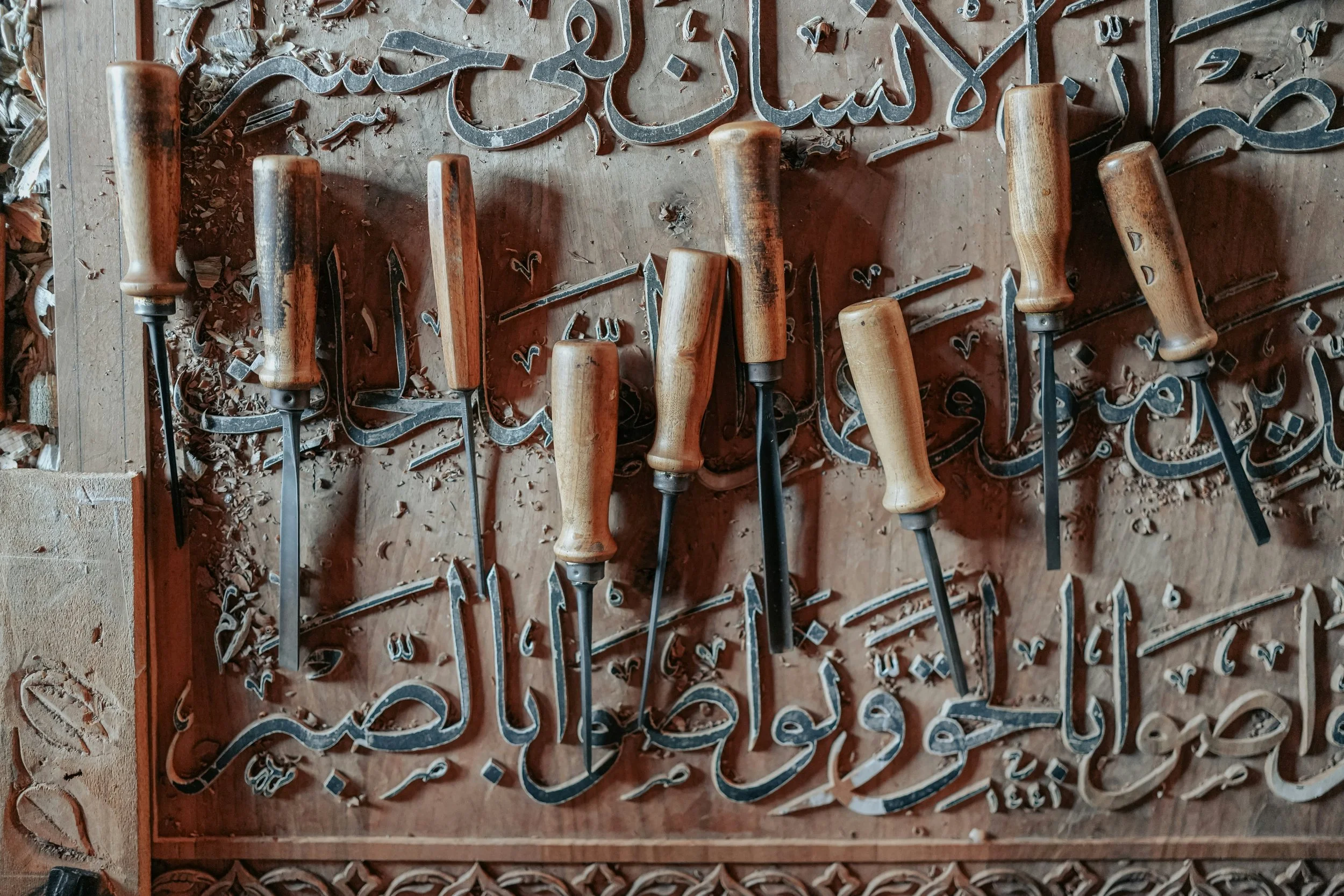
Photo By Ahmet Kurt
Common Missteps That Undermine Artist Visibility
At RASMA, we've made something of a career out of words. Artist statements, exhibition texts, the kind of elegant language that makes curators pause and collectors lean in. The consistent feedback confirms the following:
words matter profoundly, and how they're shaped makes a tangible difference.
Through our work, we have identified recurring patterns that sometimes hold artists back from reaching the right audiences, securing opportunities, or achieving the recognition they desire. These aren't inadequacies; they are invisible structural gaps.
Artist bios that read like a resume.
You've seen it: education listed first, followed by a dutiful parade of exhibitions and residencies. Perfectly respectable. Perfectly forgettable. What's missing is context, the why, the what drives the artist, the narrative thread that makes all those credentials mean something. These credentials are necessary, but they do not connect or resonate without a narrative context.
Overreliance on volatile social media platforms, often at the expense of owned platforms. As helpful as they may be, they are impermanent, noisy, and governed by algorithms. Too many artists focus their energy there while their websites remain outdated, their newsletters go unwritten, and their portfolios are incomplete.
Inconsistent Presentation.
A polished CV. A hastily written statement from three years ago. Gorgeous studio shots alongside blurry iPhone snaps. An Instagram caption that reads like a diary entry, next to an exhibition text that sounds like a PhD thesis. In this context, presentation refers to both visual and editorial materials; the images that represent the work, along with the language that frames it. When visuals and voice don't align, curators, collaborators, and collectors struggle to grasp the artist's core identity.
The Silence Fallacy.
The belief that "good work speaks for itself" when in reality, silence could lead to ambiguity and, ultimately, invisibility. Work doesn't speak, people do. When artists don't actively shape their narrative, others will fill the void, and not always in ways that reflect the intent behind the work.
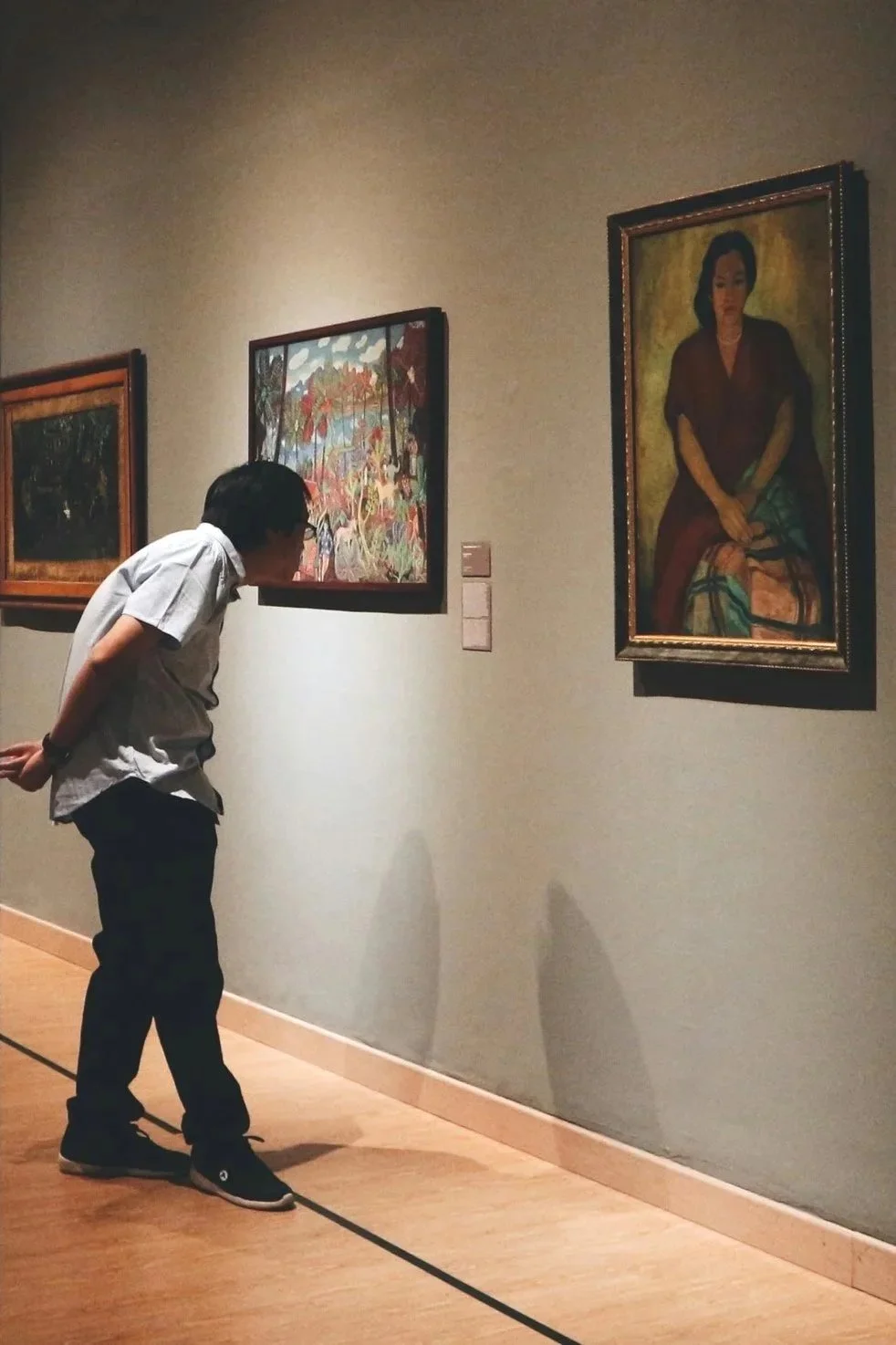
Photo By Zalfa Imani
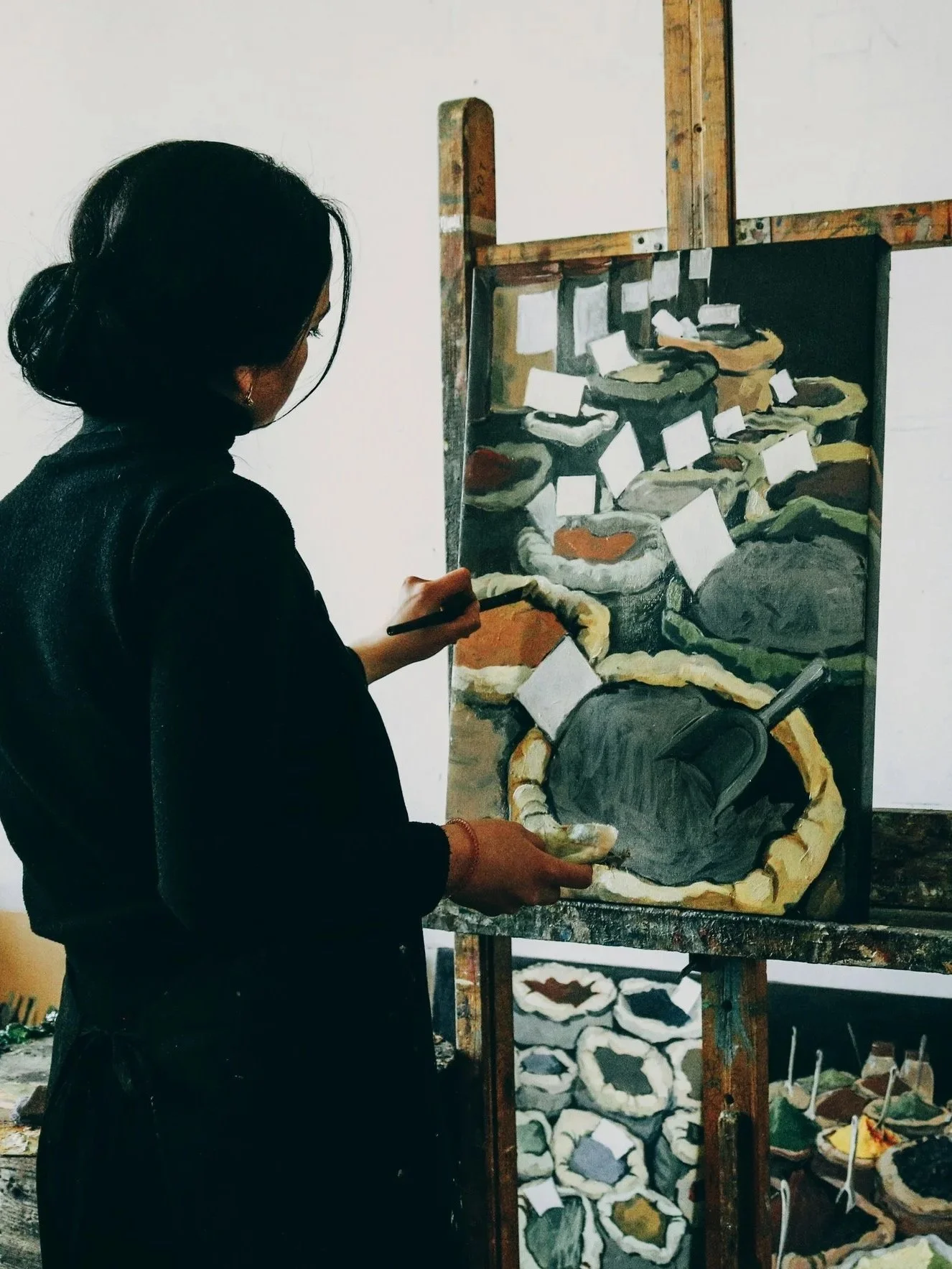
Photo By El Swaggy
Reframing Presence: Narrative as Curatorial Context
At RASMA, we don't approach narrative development as a form of branding. We see it as curatorial alignment. We aim to help artists achieve coherence across their entire practice, ensuring an artist statement, an Instagram caption, and an exhibition concept note all originate from the same source.
An artist's presence, whether in writing, online, or in person, is not secondary.
It's part of the curatorial context in which the work is encountered. Statements, bios, CVs, websites, captions, newsletters; these are not isolated tools. They are extensions of artistic practice itself. When aligned, they don't simplify the work; they clarify it. In fact, they amplify it.
Artists don't need to be ubiquitous, but they do need to be intentionally present. They need to choose the right platforms and articulate their work with clarity and confidence. This approach reaches more of the right people than a scattered effort ever could.
For established artists, this clarity sharpens and protects a legacy. For emerging artists, it builds the essential foundation for all future engagement.
Narrative Development is a Practice
Communicating about one's work is not a performance.
It's a craft that can be honed and integrated into the artist's practice. And like any meaningful practice, it requires focus, structure, and support.
Our Narrative Development practice supports artists in articulating the whole arc of their work without compromise, offering structure where there's uncertainty and refinement where there's momentum.
The goal is not to say everything. It's to say the right things clearly, confidently, and in ways that amplify the work.
Ready to transform how your work is seen? Explore our Narrative Development practice.